
What this guide says at a glance
Your child wakes up at 2 AM screaming, clutching their ear. You know that cry—it's an earache. Ear infections are one of the most common childhood illnesses. Five out of six children will have at least one ear infection by age 3. The pain is real. The worry is real. And you want
- Understanding Ear Infections: Why Kids Get Them So Often
- Medical Context: Watchful Waiting vs. Antibiotics
- Herbal Ear Drops: Natural Pain Relief
- Warm Compress and Pain Management
Your child wakes up at 2 AM screaming, clutching their ear. You know that cry—it's an earache.
Ear infections are one of the most common childhood illnesses. Five out of six children will have at least one ear infection by age 3. The pain is real. The worry is real. And you want relief—fast.
But here's what you need to understand right from the start: natural remedies can provide significant pain relief and help prevent recurrent infections, but they don't treat active infections. Many ear infections resolve on their own, and antibiotics are sometimes necessary.
The evidence for natural approaches is solid—for the right purposes. A study determined the efficacy and tolerability of naturopathic versus traditional treatment for management of otalgia (ear pain). The study evaluated the effectiveness of nonconventional topical medication (NHED—natural herbal ear drops) compared with traditional anesthetic ear drops. Research suggests that an ear solution of herbal extracts applied in the affected ear canal may reduce ear pain associated with acute otitis media (AOM) and is at least as effective as traditional treatment.
But—and this is critical—modern studies note that herbal ear drops do not impact the infection itself but may help alleviate some symptoms temporarily.
Here's the good news: your child's ear infection may go away on its own, so healthcare professionals may suggest watching and waiting for 2-3 days to see if your child needs antibiotics. Watchful waiting management for acute otitis media means antibiotics are used only if the child's symptoms worsen or do not improve.
For prevention? Children who chewed gum containing 1.7g xylitol 5 times daily had significantly fewer episodes of otitis media. Oral usage of xylitol as chewing gum or syrup can reduce the incidence of recurrent AOM by 30% compared to placebo.
Look, I've spent weeks digging through pediatric journals, otolaryngology research, and clinical trials to understand what actually helps. This isn't about replacing medical care—it's about managing pain effectively while your child's body fights the infection, and preventing future infections.
In this guide, you'll discover natural remedies for ear pain relief, when watchful waiting is appropriate, when antibiotics are necessary, and how to prevent recurrent infections. We'll cover herbal ear drops, warm compresses, xylitol, probiotics, and when to call your doctor.
Critical medical disclaimer: Ear infections can be serious, especially in young children. Natural remedies provide pain relief and support prevention—they do NOT treat active infections. Always consult your healthcare provider for proper diagnosis. Watchful waiting is appropriate for some cases, but antibiotics are necessary for severe cases or high-risk children. Never put anything in the ear if the eardrum may be ruptured (fluid draining from ear). This article is educational, not medical advice.
Ready to help your child feel better? Let's get into it.
For more on children's health and immune support, check out our guides on children's immune system and natural cold remedies for kids.
Visible sourcing, visible ownership, visible update rules
Health topics need more than polished copy. This page exposes who owns the page, where the evidence trail lives, and how corrections are handled.
Specialists connected to this topic
These profiles highlight researchers and clinicians whose official institutional work aligns with this subject. They are not the article author unless listed in the byline.

Melinda Ring
Integrative medicine physician whose work spans lifestyle medicine, women's health, stress, and evidence-based whole-person care.

Andrew Weil
Physician associated with integrative medicine education, lifestyle-first care, botanical medicine, and mind-body approaches.

Brent A. Bauer
Physician associated with integrative medicine, stress resilience, mind-body medicine, and evidence-based complementary care.

Erica Sonnenburg
Microbiome researcher focused on gut microbial metabolism, fiber intake, and the health effects of modern low-fiber diets.
Understanding Ear Infections: Why Kids Get Them So Often
An ear infection is inflammation or infection of the middle ear (acute otitis media/AOM) or outer ear (otitis externa, also called swimmer's ear).
Middle ear infection (AOM):
The most common type in children. Fluid and pus build up behind the eardrum, causing pain and pressure. Usually follows a cold or respiratory infection—bacteria or viruses travel from the nose/throat to the middle ear through the Eustachian tube.
Outer ear infection (otitis externa):
Infection of the ear canal. Often caused by water exposure (swimming) or injury to the ear canal. More common in older children and adults.
Why are ear infections so common in children?
Anatomy. Children's Eustachian tubes (the tubes connecting the middle ear to the back of the throat) are shorter, more horizontal, and narrower than adults'. This makes it easier for fluid to get trapped and harder for it to drain. Plus, kids' immune systems are still developing.
Symptoms:
Ear pain (often worse at night), fever, difficulty sleeping, tugging or pulling at ear (in young children), fluid draining from ear, trouble hearing, irritability, loss of appetite, crying more than usual.
Causes:
Bacterial or viral infection (often following a cold), Eustachian tube dysfunction (doesn't drain properly), respiratory infections, allergies, exposure to secondhand smoke.
How common?
Extremely. About 5 out of 6 children will have at least one ear infection by age 3. Peak incidence is between 6-24 months.
The key thing? Ear infections are common and usually not serious. Many resolve on their own. But proper diagnosis and monitoring are essential.
---

Medical Context: Watchful Waiting vs. Antibiotics
Here's what most parents don't know: many ear infections resolve without antibiotics.
Research shows that your child's ear infection may go away on its own, so healthcare professionals may suggest watching and waiting for 2-3 days to see if your child needs antibiotics. Watchful waiting management for acute otitis media means antibiotics are used only if the child's symptoms worsen or do not improve.
Current guidelines address pain management, initial observation versus antibiotic treatment, appropriate choices of antibiotic agents, and preventive measures. The concept of watchful waiting for patients with AOM who meet eligibility requirements includes providing a safety-net antibiotic prescription (to fill if symptoms don't improve).
Criteria for watchful waiting (48-72 hours):
- Age >6 months
- Mild symptoms (no severe ear pain, fever <102.2°F/39°C)
- Unilateral (one ear affected)
- Otherwise healthy (no immunocompromising conditions)
- Reliable follow-up available
During watchful waiting:
- Pain management (ibuprofen or acetaminophen—appropriate dosing by weight)
- Warm compress for comfort
- Rest and fluids
- Monitor symptoms closely
- Call doctor if symptoms worsen
When antibiotics ARE necessary:
- Severe symptoms (severe ear pain, high fever ≥102.2°F/39°C)
- Children <6 months (always treat with antibiotics)
- Bilateral ear infections (both ears) in children <2 years
- No improvement after 48-72 hours of watchful waiting
- Immunocompromised children
- Children with recurrent infections or history of complications
- Ruptured eardrum with purulent (pus) drainage
Why watchful waiting?
About 60-80% of ear infections resolve on their own within 2-3 days. Unnecessary antibiotic use contributes to antibiotic resistance, causes side effects (diarrhea, rash, allergic reactions), and disrupts gut bacteria.
But—and this is critical—watchful waiting doesn't mean doing nothing. It means active pain management and close monitoring while giving your child's immune system a chance to fight the infection.
Always work with your healthcare provider to determine the best approach for your child.
For more on when antibiotics are necessary, see our guide on antibiotic stewardship.
---

Herbal Ear Drops: Natural Pain Relief
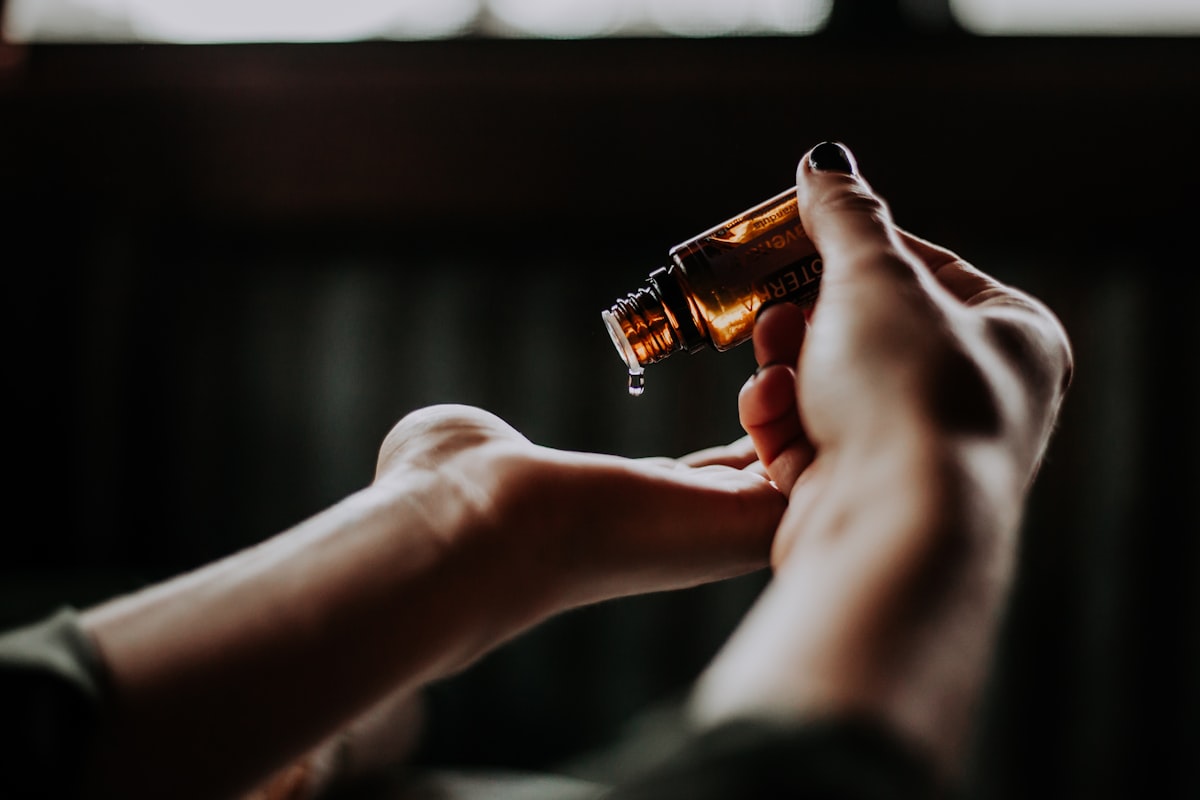
Herbal ear drops are one of the most studied natural remedies for ear pain.
A study determined the efficacy and tolerability of naturopathic versus traditional treatment for management of otalgia. The study evaluated the effectiveness of nonconventional topical medication (NHED) compared with traditional anesthetic ear drops—and found they worked just as well.
Research suggests that an ear solution of herbal extracts applied in the affected ear canal may reduce ear pain associated with acute otitis media and is at least as effective as traditional treatment.
But here's the critical caveat: modern studies note that herbal ear drops do not impact the infection itself but may help alleviate some symptoms temporarily.
What's in herbal ear drops?
Typically a blend of:
- Garlic oil: Antimicrobial and anti-inflammatory properties
- Mullein oil: Soothes inflammation, traditional use for ear pain
- Calendula: Anti-inflammatory, wound healing
- St. John's Wort: Analgesic (pain relief), anti-inflammatory
- Olive oil base: Carrier oil, soothing
How they work:
These herbs have anti-inflammatory and analgesic properties that reduce pain and inflammation in the ear canal. But they don't penetrate to the middle ear where infections occur—they only provide topical pain relief.
How to use herbal ear drops:
- Warm the drops: Place the bottle in warm (not hot) water for a few minutes to bring to body temperature (cold drops are uncomfortable)
- Lie on side: Have your child lie with the affected ear facing up
- Apply 2-3 drops: Into the ear canal
- Stay still: Remain lying on side for 5-10 minutes to allow drops to penetrate
- Repeat: 2-3 times daily as needed for pain
CRITICAL safety warnings:
- NEVER use if eardrum may be ruptured (if fluid is draining from ear, don't use drops)
- Only for external use in ear canal
- Do NOT use as a substitute for medical evaluation
- Discontinue if irritation occurs
- Not for children under 6 months without doctor approval
Herbal ear drops are effective for pain relief—as effective as over-the-counter anesthetic drops in some studies. But they don't treat the infection. Use them for comfort while waiting for medical evaluation or during watchful waiting.
---
Warm Compress and Pain Management
Sometimes the simplest remedies are the most effective.
Warm compress:
Applying warmth to the affected ear increases blood flow, reduces pain, and provides comfort.
How to use:
- Soak a clean washcloth in warm (not hot) water, wring out excess
- Apply to affected ear for 10-15 minutes
- Repeat as needed throughout the day
- Alternative: heating pad on low setting, wrapped in towel (never apply directly to skin)
- Another option: warm water bottle wrapped in towel
Why it works:
Heat increases circulation, which helps reduce inflammation and pain. It's also soothing and comforting for children.
Over-the-counter pain relievers:
The most effective pain management for ear infections.
- Ibuprofen (Advil, Motrin): For children >6 months, dose by weight (typically 5-10mg/kg every 6-8 hours), reduces pain and inflammation
- Acetaminophen (Tylenol): For children >2 months, dose by weight (typically 10-15mg/kg every 4-6 hours), reduces pain and fever
CRITICAL: Always use appropriate dosing by weight, not age. Use the measuring device that comes with the medication. Don't give aspirin to children (risk of Reye's syndrome).
Other comfort measures:
- Elevate head: Sleep with head elevated (extra pillow for older children, elevate head of crib mattress slightly for babies)—reduces pressure in middle ear
- Encourage chewing/swallowing: Gum, drinking fluids, eating—helps open Eustachian tubes and relieve pressure
- Distraction: For children—reading, quiet games, screen time (yes, this is a time for extra screen time if it helps)
- Rest: Supports immune system
Pain management is essential during watchful waiting. Don't let your child suffer—effective pain relief allows them to rest and recover.
---
Xylitol for Prevention: 30% Reduction in Recurrent Infections
If your child has recurrent ear infections, xylitol is worth serious consideration.
Children who chewed gum containing 1.7g xylitol 5 times daily had significantly fewer episodes of otitis media. Oral usage of xylitol as chewing gum or syrup can reduce the incidence of recurrent AOM by 30% compared to placebo.
Xylitol was found to be efficient in preventing the development of acute otitis media with a daily dose of 8.4-10g given in five doses. A three-month randomized controlled trial compared the effectiveness of xylitol syrup, chewing gum, and lozenges in the prevention of acute otitis media—all forms were effective.
How xylitol works:
Xylitol is a natural sugar alcohol that prevents bacteria—especially Streptococcus pneumoniae, the most common cause of ear infections—from adhering to the Eustachian tubes. Without adhesion, bacteria can't colonize and cause infection.
What the research shows:
- Reduces recurrent ear infections by 30%
- Most effective when used consistently (5 times daily)
- Works for prevention, NOT treatment of active infections
- Effective in multiple forms (gum, syrup, lozenges)
How to use xylitol for prevention:
- Dosage: 8-10g daily, divided into 5 doses (about 1.7-2g per dose)
- Forms:
- Xylitol syrup: Best for young children (1-2 teaspoons 5 times daily)
- Xylitol chewing gum: For older children who can chew safely without choking (1-2 pieces 5 times daily)
- Xylitol lozenges: For children who can safely dissolve lozenges
- Timing: After meals and snacks (also benefits dental health)
- Duration: Use during high-risk seasons (fall/winter when respiratory infections are common) or year-round for children with frequent infections
Safety:
Generally safe. May cause digestive upset (gas, bloating, diarrhea) at high doses—start with lower dose and increase gradually. Keep xylitol products away from pets (toxic to dogs).
Xylitol is one of the most evidence-based natural remedies for preventing recurrent ear infections. If your child has 3+ infections in 6 months or 4+ in a year, talk to your doctor about xylitol.
For more on preventing childhood infections, see our children's immune support guide.
---
Probiotics and Immune Support: Mixed Evidence
Probiotics support the immune system and may help prevent ear infections—but the evidence is mixed.
One study found that probiotics may not benefit children prone to acute middle ear infection. But another analysis showed that supplementation with probiotics, prebiotics, or synbiotics was associated with a significant reduction in the incidence of AOM in children.
Oral probiotics reduced the incidence of otitis media in healthy children in one of two studies. Interestingly, about half of studies that used nasal probiotic formulations showed a significant difference in reducing otitis media.
How probiotics may help:
Probiotics support immune function, reduce respiratory infections (which often lead to ear infections), and maintain healthy bacterial balance in the nose, throat, and Eustachian tubes.
What the research shows:
- Mixed results (some studies show benefit, others don't)
- May be more effective for preventing respiratory infections (which lead to ear infections) than directly preventing ear infections
- Nasal probiotics may be more effective than oral probiotics
- Most beneficial for children with recurrent infections
Strains studied:
- Lactobacillus rhamnosus
- Lactobacillus acidophilus
- Bifidobacterium lactis
- Streptococcus salivarius (nasal probiotic)
How to use probiotics:
- Dosage: 5-10 billion CFU daily for children
- Form: Powder (mix in food/drink), chewables, or nasal spray (for nasal probiotics)
- Timing: Daily, year-round or during high-risk seasons
- Duration: At least 3-6 months to assess effectiveness
Safety:
Generally safe. Rare side effects include gas or digestive upset when starting.
Probiotics are a low-risk intervention that may help—especially if your child has recurrent respiratory infections. But they're not as well-established as xylitol for ear infection prevention.
---
Prevention Strategies: Reducing Ear Infection Risk
Prevention is always better than treatment.
Reduce respiratory infections:
Since most ear infections follow colds and respiratory infections, preventing those reduces ear infections.
- Handwashing: Teach children to wash hands frequently (before eating, after bathroom, after playing)
- Avoid sick contacts: Keep children away from sick people when possible
- Vaccinations: Flu vaccine (annual), pneumococcal vaccine (prevents Streptococcus pneumoniae, the most common cause of ear infections)
Breastfeeding:
If possible, breastfeed for at least 6 months. Breast milk contains antibodies that support immune function and reduce infection risk.
Avoid bottle propping:
Never prop a bottle and let baby drink lying flat. Feed babies upright or semi-upright. Lying flat allows formula/milk to flow into Eustachian tubes, increasing infection risk.
Avoid secondhand smoke:
Exposure to cigarette smoke significantly increases ear infection risk. Don't smoke around children. Don't allow smoking in your home or car.
Manage allergies:
Allergies cause Eustachian tube congestion and inflammation, increasing infection risk. Treat allergies with antihistamines, nasal sprays, or allergy shots as recommended by your doctor.
Limit pacifier use after 6 months:
Pacifier use beyond 6 months is associated with increased ear infections. If your child uses a pacifier, try to wean by 6-12 months.
Dry ears after swimming:
For outer ear infections (swimmer's ear), dry ears thoroughly after swimming. Tilt head to each side, use towel, or use swimmer's ear prevention drops (alcohol-based drops that dry the ear canal).
Daycare considerations:
Children in daycare have more ear infections (more exposure to respiratory infections). If possible, choose smaller daycare settings with fewer children.
These strategies won't eliminate ear infections entirely, but they can significantly reduce frequency.
---
Children vs. Adults: Different Patterns
Children:
- More susceptible (anatomy, developing immune system)
- Most infections are middle ear infections (AOM)
- Often follow respiratory infections
- Watchful waiting often appropriate (if criteria met)
- Focus on pain relief and prevention
Adults:
- Less common
- Often outer ear infections (swimmer's ear) rather than middle ear
- May indicate underlying issue (allergies, Eustachian tube dysfunction, chronic sinusitis)
- Usually require medical evaluation to identify cause
If adults get recurrent ear infections, it's important to identify and address the underlying cause—not just treat symptoms.
---
When to See Your Doctor and When Antibiotics Are Necessary
See your doctor if:
- Child <6 months with ear infection symptoms (always see doctor—never watchful waiting for infants)
- Severe ear pain (child inconsolable despite pain medication)
- High fever (≥102.2°F or 39°C)
- Symptoms lasting >2-3 days (no improvement with watchful waiting)
- Fluid draining from ear (may indicate ruptured eardrum—don't use ear drops)
- Hearing loss (may indicate fluid in middle ear)
- Recurrent ear infections (≥3 in 6 months or ≥4 in 1 year—may need ear tubes or preventive antibiotics)
- Symptoms after recent ear infection (may not have fully resolved)
- Swelling/redness behind ear (may indicate mastoiditis—serious complication)
- Dizziness, severe headache, facial weakness (rare complications—seek immediate care)
When antibiotics ARE necessary:
- Severe symptoms (severe pain, high fever ≥102.2°F/39°C)
- Children <6 months
- Bilateral ear infections in children <2 years
- No improvement after 48-72 hours of watchful waiting
- Immunocompromised children
- Children with recurrent infections or history of complications
- Ruptured eardrum with purulent drainage
If antibiotics are prescribed:
- Complete the full course (even if symptoms improve)
- Give probiotics during and after antibiotics (reduces antibiotic-associated diarrhea, supports gut health)
- Follow up with doctor if symptoms don't improve within 48-72 hours of starting antibiotics
Don't hesitate to call your doctor. Ear infections can be serious, and proper diagnosis is essential.
---
Conclusion: Your Ear Infection Action Plan
Ear infections are painful. Watching your child suffer is heartbreaking. You want relief—now.
Here's the truth: natural remedies can provide significant pain relief while your child's body fights the infection. Many ear infections resolve on their own within 48-72 hours. Watchful waiting is appropriate for many cases—and it's supported by medical guidelines.
The evidence is clear. Herbal ear drops relieve pain as effectively as anesthetic drops (but don't treat the infection). Warm compresses and over-the-counter pain relievers provide comfort. And for prevention? Xylitol reduces recurrent ear infections by 30%.
But let me be crystal clear: natural remedies provide pain relief and support prevention—they do NOT treat active infections.
Always consult your healthcare provider for proper diagnosis. Watchful waiting is appropriate for some cases, but antibiotics are necessary for severe cases, young infants, or high-risk children. Never put anything in the ear if fluid is draining (may indicate ruptured eardrum).
Your action plan:
Step 1: Get proper diagnosis.
See your doctor if your child has ear pain, fever, or other symptoms. Proper diagnosis requires examination with an otoscope (can't diagnose at home).
Step 2: Determine if watchful waiting is appropriate.
If your child is >6 months, has mild symptoms, and is otherwise healthy, your doctor may recommend watchful waiting for 48-72 hours.
Step 3: Manage pain aggressively.
Give ibuprofen or acetaminophen (appropriate dose by weight). Use warm compress. Try herbal ear drops (if no drainage from ear). Elevate head during sleep.
Step 4: Monitor symptoms closely.
Watch for worsening pain, increasing fever, or new symptoms. Call doctor if no improvement after 48-72 hours or if symptoms worsen.
Step 5: Use antibiotics if necessary.
If your doctor prescribes antibiotics, complete the full course. Give probiotics during and after antibiotics.
Step 6: Prevent recurrent infections.
If your child has frequent ear infections, try xylitol (8-10g daily in 5 doses). Consider probiotics. Implement prevention strategies (handwashing, vaccinations, avoid smoke, manage allergies).
Step 7: Consider ear tubes if needed.
If your child has very frequent infections (≥3 in 6 months or ≥4 in 1 year) despite prevention efforts, talk to your doctor about ear tubes.
Ear infections are manageable. With proper pain relief, appropriate medical care when needed, and prevention strategies, most children outgrow frequent ear infections by age 3-4 as their Eustachian tubes mature.
You deserve to help your child feel better. Take action, trust your instincts, and work closely with your healthcare provider.
For more on children's health and immune support, check out our guides on children's immune system and natural cold remedies for kids.
Here's to healthier, happier ears. You've got this.
---