
What this guide says at a glance
You're in the shower. Again. Watching more hair swirl down the drain than you're comfortable with. Or maybe you've noticed your ponytail is thinner. Your part is wider. Your hairline is receding.
- Understanding Hair Loss: Why It Happens
- Rosemary Oil: As Effective as Minoxidil 2%
- Saw Palmetto: Natural DHT Blocker
- Pumpkin Seed Oil: 40% Increase in Hair Count
You're in the shower. Again. Watching more hair swirl down the drain than you're comfortable with.
Or maybe you've noticed your ponytail is thinner. Your part is wider. Your hairline is receding.
Hair loss is devastating. It affects 50% of men and 25% of women by age 50. It's not just about vanity—it's about identity, confidence, and feeling like yourself.
But here's what you need to understand right from the start: natural remedies can help slow hair loss and promote modest regrowth, but they're not miracle cures. Realistic expectations are essential.
That said, the evidence for certain natural approaches is solid. A study investigated the clinical efficacy of rosemary oil in the treatment of androgenetic alopecia and compared its effects with minoxidil. The results? No significant difference between rosemary and minoxidil groups in terms of hair count. Rosemary proved efficacy in the treatment of androgenic alopecia in a similar way compared to minoxidil by improving vascularity. Rosemary essential oil promoted hair growth as effectively as 2% topical minoxidil.
Five randomized clinical trials and 2 prospective cohort studies demonstrated positive effects of topical and oral supplements containing saw palmetto (100-320mg). Saw palmetto competitively inhibits 5α-reductase activity and restricts the conversion of testosterone to DHT—the hormone that miniaturizes hair follicles.
And pumpkin seed oil? Mean hair count increases of 40% were observed in pumpkin seed oil-treated men at 24 weeks, whereas increases of only 10% were observed in placebo-treated men.
What about biotin? Found 18 reports in the literature that showed improvement of hair and nail growth on supplementation in patients with established biotin deficiency. But here's the catch: deficiency of biotin was found in 38% of women complaining of hair loss, yet supplementation of biotin alone shows mixed results. In healthy individuals who aren't deficient in biotin, supplementation will likely have no effect on hair growth.
Look, I've spent weeks digging through dermatology journals, hair research, and clinical trials to understand what actually helps. This isn't about false promises—it's about evidence-based approaches with realistic expectations.
In this guide, you'll discover natural remedies that can slow hair loss and promote modest regrowth. We'll cover rosemary oil, saw palmetto, pumpkin seed oil, biotin (if deficient), nutritional support, scalp massage, and when to see a doctor.
Critical medical disclaimer: Hair loss may indicate underlying medical conditions (thyroid disorders, anemia, hormonal imbalances, autoimmune conditions). Natural remedies are complementary approaches with modest effects—not miracle cures. Results take 6 months minimum and vary by individual. Sudden or severe hair loss requires medical evaluation. Consult your healthcare provider before starting supplements, especially if taking medications or have medical conditions. This article is educational, not medical advice.
Ready to support your hair health? Let's get into it.
For more on hair health and nutrition, check out our guides on hair health naturally and nutrition for healthy hair.
Visible sourcing, visible ownership, visible update rules
Health topics need more than polished copy. This page exposes who owns the page, where the evidence trail lives, and how corrections are handled.
Specialists connected to this topic
These profiles highlight researchers and clinicians whose official institutional work aligns with this subject. They are not the article author unless listed in the byline.
Andrew Weil
Physician associated with integrative medicine education, lifestyle-first care, botanical medicine, and mind-body approaches.
Melinda Ring
Integrative medicine physician whose work spans lifestyle medicine, women's health, stress, and evidence-based whole-person care.

Brent A. Bauer
Physician associated with integrative medicine, stress resilience, mind-body medicine, and evidence-based complementary care.
Erica Sonnenburg
Microbiome researcher focused on gut microbial metabolism, fiber intake, and the health effects of modern low-fiber diets.
Understanding Hair Loss: Why It Happens
Hair loss (alopecia) is common—but that doesn't make it any less distressing.
Types of hair loss:
- Androgenetic alopecia (male/female pattern baldness): Most common type, genetic + hormonal, affects 50% of men and 25% of women by age 50, caused by DHT (dihydrotestosterone) miniaturizing hair follicles
- Telogen effluvium: Temporary shedding triggered by stress, illness, surgery, rapid weight loss, or childbirth—usually resolves within 6 months
- Alopecia areata: Autoimmune condition causing patchy hair loss—requires medical treatment
- Traction alopecia: Hair loss from tight hairstyles (ponytails, braids, extensions)—preventable
- Nutritional deficiencies: Iron, zinc, biotin, vitamin D, protein deficiency can cause hair loss
Hair growth cycle:
- Anagen (growth phase): 2-7 years, hair actively growing
- Catagen (transition): 2-3 weeks, hair stops growing
- Telogen (resting phase): 2-4 months, hair rests then sheds
Normal to lose 50-100 hairs daily. More than that? Time to investigate.
How DHT causes hair loss:
In androgenetic alopecia, testosterone converts to DHT (dihydrotestosterone) via the enzyme 5-alpha reductase. DHT binds to hair follicles, causing them to miniaturize—they shrink, produce thinner hair, and eventually stop producing hair altogether.
Common causes:
Genetics (runs in families), hormones (DHT, thyroid disorders, PCOS), nutritional deficiencies (iron, zinc, biotin, vitamin D, protein), stress (chronic stress triggers telogen effluvium), medications (chemotherapy, blood thinners, beta-blockers, retinoids), medical conditions (thyroid disease, autoimmune conditions, scalp infections).
The key thing? Hair loss has many causes. Natural remedies work best for androgenetic alopecia and nutritional deficiencies. Other types may require medical treatment.
---
Rosemary Oil: As Effective as Minoxidil 2%
This is the natural remedy with the strongest evidence for hair growth.
A study investigated the clinical efficacy of rosemary oil in the treatment of androgenetic alopecia and compared its effects with minoxidil—the gold standard topical treatment. The results were striking: no significant difference between rosemary and minoxidil groups in terms of age, duration of hair loss, or stage of androgenetic alopecia.
Rosemary proved efficacy in the treatment of androgenic alopecia in a similar way compared to minoxidil by improving vascularity. Another study confirmed that rosemary essential oil promoted hair growth as effectively as 2% topical minoxidil.
That's right—rosemary oil works as well as the FDA-approved treatment.
How rosemary oil works:
Improves blood circulation to the scalp (more nutrients and oxygen to hair follicles), has antioxidant and anti-inflammatory properties, may inhibit 5-alpha reductase (blocks DHT formation), and stimulates hair follicle cells.
What the research shows:
- As effective as 2% minoxidil for androgenetic alopecia
- Improves hair count and thickness
- Takes 6 months to see results (same as minoxidil)
- Fewer side effects than minoxidil (no scalp irritation or unwanted hair growth on face)
How to use rosemary oil:
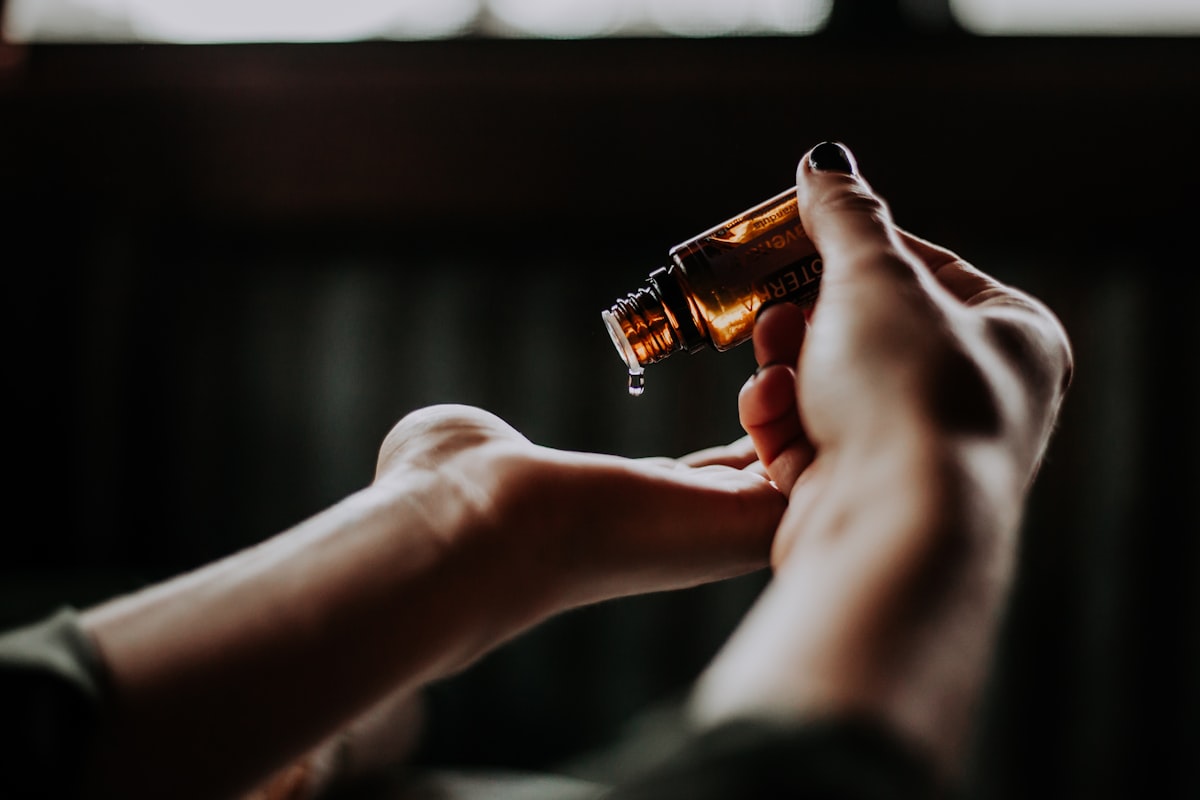
- Dilute: Essential oils are too concentrated to apply directly. Mix 3-5 drops rosemary essential oil per 1 tablespoon carrier oil (jojoba, coconut, argan, or sweet almond oil)
- Massage into scalp: Apply diluted oil to scalp, massage with fingertips for 5-10 minutes (improves absorption and circulation)
- Leave on: 30 minutes minimum, or overnight for maximum benefit
- Shampoo out: Wash hair as usual
- Frequency: 2-3 times weekly
- Alternative: Add 5-10 drops rosemary essential oil to your shampoo bottle (shake well before each use)
Safety:
Generally safe. May cause scalp irritation in sensitive individuals—do a patch test first (apply small amount to inner arm, wait 24 hours). Avoid during pregnancy or nursing. Don't ingest essential oils.
Rosemary oil is the natural remedy with the best evidence. If you try one thing, make it this.
For more on topical treatments for hair, see our scalp health guide.
---

Saw Palmetto: Natural DHT Blocker
Saw palmetto is a botanical extract that blocks DHT—the hormone responsible for androgenetic alopecia.
Five randomized clinical trials and 2 prospective cohort studies demonstrated positive effects of topical and oral supplements containing saw palmetto (100-320mg). A study aimed to provide robust clinical evidence on the effectiveness of oral supplements in promoting hair growth and reducing hair loss in men.
Saw palmetto competitively inhibits 5α-reductase activity and restricts the conversion of testosterone to DHT. It's believed to inhibit 5-alpha reductase activity much like finasteride (Propecia)—the prescription DHT blocker—but with milder effects and fewer side effects.
How saw palmetto works:
Blocks the enzyme 5-alpha reductase, which converts testosterone to DHT. Less DHT means less hair follicle miniaturization.
What the research shows:
- Several small studies show benefit for androgenetic alopecia
- Less robust evidence than finasteride, but fewer side effects
- Most effective for mild to moderate hair loss
- Takes 3-6 months to see results
How to use saw palmetto:
- Dosage: 320mg standardized extract daily (oral capsules)
- Form: Oral supplements most studied, some topical formulations available
- Timing: Take with food to improve absorption and reduce digestive upset
- Duration: At least 6 months to assess effectiveness
Safety:
Generally safe. May cause mild digestive upset (nausea, stomach discomfort). Avoid if taking hormonal medications (birth control, hormone replacement therapy) or finasteride. Consult doctor if you have hormone-sensitive conditions.
Saw palmetto is a reasonable option for androgenetic alopecia, especially if you want to avoid prescription medications. But set realistic expectations—it's not as powerful as finasteride.
---
Pumpkin Seed Oil: 40% Increase in Hair Count
This is one of the most impressive natural remedies for hair loss—and it has solid research backing it.
Mean hair count increases of 40% were observed in pumpkin seed oil-treated men at 24 weeks, whereas increases of only 10% were observed in placebo-treated men. After 24 weeks of treatment with pumpkin seed oil, patients with mild to moderate pattern hair loss saw a significant increase in self-rated hair growth.
A study evaluated the efficacy and safety of topical and oral administration of pumpkin seed oil on hair growth—and the results were promising.
How pumpkin seed oil works:
May inhibit 5-alpha reductase (blocks DHT formation), rich in zinc and phytosterols (support hair health), has anti-inflammatory properties, and provides essential fatty acids.
What the research shows:
- 40% increase in hair count at 24 weeks (vs. 10% placebo)
- Significant improvement in self-rated hair growth
- Well-tolerated with minimal side effects
- Takes 6 months to see results
How to use pumpkin seed oil:
- Dosage: 400mg daily (oral capsules used in the study)
- Form: Capsules most convenient, can also use culinary pumpkin seed oil (1-2 tablespoons daily in food)
- Timing: Take with meals
- Duration: At least 6 months to assess effectiveness
Safety:
Generally safe. Mild digestive upset possible. May interact with blood pressure medications (can lower blood pressure). Consult doctor if taking medications.
Pumpkin seed oil has some of the strongest evidence for natural hair growth. The 40% increase in hair count is significant—that's a noticeable difference.
For more on nutritional supplements for hair, see our hair nutrition guide.
---
Biotin and Nutritional Support: Only If Deficient
Biotin is heavily marketed for hair growth. But does it work?
Found 18 reports in the literature that showed improvement of hair and nail growth on supplementation in patients with established biotin deficiency. Biotin, collagen, and keratin beauty complexes are oral dietary supplements specifically designed to promote hair growth.
But here's the critical caveat: deficiency of biotin was found in 38% of women complaining of hair loss, yet supplementation of biotin alone shows mixed results. In healthy individuals who aren't deficient in biotin, supplementation will likely have no effect on hair growth.
Biotin:
- What it does: Cofactor for keratin production (hair is made of keratin)
- Who benefits: People with biotin deficiency (38% of women with hair loss)
- Who doesn't benefit: People with adequate biotin levels
- Dosing: 2.5-5mg (2,500-5,000mcg) daily if deficient
- Safety: Generally safe (water-soluble), but high doses may interfere with lab tests (thyroid, troponin)—inform your doctor if taking biotin before blood tests
Other critical nutrients for hair:
Iron:
- Deficiency is a common cause of hair loss, especially in women
- Test ferritin levels (should be >50-70 ng/mL for optimal hair growth)
- Supplement if low: 25-65mg elemental iron daily, take with vitamin C to enhance absorption
- Don't supplement without testing (excess iron is harmful)
Zinc:
- Deficiency causes hair loss
- Dosing: 15-30mg daily
- Don't exceed 40mg daily (interferes with copper absorption)
Vitamin D:
- Deficiency linked to hair loss
- Test levels, supplement if low: 2,000-4,000 IU daily
- Target level: 40-60 ng/mL
Protein:
- Hair is protein (keratin)
- Ensure adequate intake: 0.8-1g per kg body weight daily
- Sources: eggs, fish, poultry, beans, lentils, Greek yogurt
Omega-3 fatty acids:
- Anti-inflammatory, support scalp health
- Dosing: 1,000-2,000mg EPA/DHA daily
- Sources: fatty fish (salmon, mackerel, sardines), fish oil supplements
The bottom line? Rule out nutritional deficiencies. Test iron, vitamin D, and consider biotin if you have hair loss. But don't expect biotin to work miracles if you're not deficient.
---
Scalp Massage and Other Topical Remedies
Sometimes the simplest interventions help.
Scalp massage:
Improves blood circulation to hair follicles (more nutrients and oxygen), may stretch follicle cells (stimulates growth factors), and reduces stress.
How to do it:
- Use fingertips (not nails) to massage scalp in gentle circular motions
- Cover entire scalp: front, sides, back, crown
- 5-10 minutes daily
- Can combine with oils (rosemary, pumpkin seed, castor)
Small studies show modest benefit. It's free, relaxing, and can't hurt.
Other topical remedies:
Peppermint oil:
- Animal studies show hair growth stimulation
- Dilute in carrier oil (3-5 drops per tablespoon), massage into scalp
- May cause tingling sensation (normal)
Castor oil:
- Traditional remedy, ricinoleic acid may improve scalp health
- Very thick oil—massage into scalp, leave overnight, shampoo out in morning
- Use 1-2 times weekly
Onion juice:
- Contains sulfur, which supports keratin production
- Small studies show benefit for alopecia areata
- Apply fresh onion juice to scalp, leave 15 minutes, wash out (strong odor)
Green tea:
- EGCG (antioxidant) may promote hair growth
- Drink 2-3 cups daily, or apply cooled green tea to scalp before shampooing
Aloe vera:
- Soothing, reduces scalp inflammation
- Apply aloe vera gel to scalp, leave 30 minutes, rinse
These remedies have less robust evidence than rosemary oil, but they're safe and may provide additional benefit.
---
Dietary and Lifestyle Modifications for Hair Health
Natural remedies work best when combined with a hair-healthy lifestyle.
Diet for hair growth:
- Protein-rich foods: Eggs, fish, poultry, beans, lentils, Greek yogurt (hair is protein)
- Iron-rich foods: Red meat, spinach, lentils, fortified cereals (especially important for women)
- Biotin-rich foods: Eggs, nuts, seeds, sweet potatoes, salmon
- Zinc-rich foods: Oysters, beef, pumpkin seeds, chickpeas
- Vitamin C: Citrus fruits, berries, bell peppers (enhances iron absorption)
- Omega-3: Fatty fish, walnuts, flaxseeds, chia seeds (anti-inflammatory)
- Avoid crash diets: Rapid weight loss triggers telogen effluvium (temporary shedding)
Lifestyle modifications:
Stress management:
- Chronic stress causes telogen effluvium (hair shedding)
- Effective techniques: meditation, yoga, exercise, therapy, adequate sleep
- Stress reduction can stop stress-related hair loss within 6 months
Gentle hair care:
- Avoid tight hairstyles (ponytails, braids, buns)—causes traction alopecia
- Limit heat styling (blow dryers, flat irons, curling irons)
- Use wide-tooth comb, don't brush wet hair aggressively
- Be gentle when towel-drying
Avoid harsh chemicals:
- Limit bleaching, perming, chemical straightening
- These damage hair shaft and can cause breakage
Protect from sun:
- UV damages hair, wear hat in strong sun
Don't smoke:
- Smoking damages hair follicles and accelerates hair loss
Adequate sleep:
- 7-9 hours nightly supports hair growth and overall health
These modifications won't regrow hair on their own, but they create the optimal environment for hair health.
For more on lifestyle and hair health, see our hair care guide.
---
When to See Your Doctor
See your doctor if:
- Sudden or severe hair loss (more than normal shedding)
- Patchy hair loss (may be alopecia areata—autoimmune condition requiring treatment)
- Hair loss with scalp symptoms (redness, scaling, pain, itching—may indicate infection or skin condition)
- Hair loss with other symptoms (fatigue, weight changes, irregular periods, cold intolerance—may indicate thyroid disorder or hormonal imbalance)
- Hair loss after starting new medication (many medications cause hair loss)
- Family history of autoimmune conditions (increased risk of alopecia areata)
- Not responding to natural remedies after 6 months (may need medical treatment)
Medical treatments available:
- Minoxidil (Rogaine): Topical, FDA-approved, 2% for women, 5% for men, available over-the-counter
- Finasteride (Propecia): Oral, FDA-approved for men, prescription, blocks DHT (side effects possible: sexual dysfunction, depression)
- Low-level laser therapy (LLLT): FDA-cleared devices (laser caps, combs)
- Platelet-rich plasma (PRP) injections: Uses your own blood plasma to stimulate hair growth
- Hair transplant surgery: For advanced hair loss
Don't suffer in silence. Hair loss can indicate underlying health issues. Get evaluated.
---
Conclusion: Your Hair Growth Action Plan
Hair loss is distressing. Watching your hair thin, your hairline recede, or your part widen affects your confidence and sense of self.
But here's the truth: natural remedies can help—if you have realistic expectations.
The evidence is solid. Rosemary oil is as effective as minoxidil 2% for androgenetic alopecia. Pumpkin seed oil showed a 40% increase in hair count versus 10% placebo. Saw palmetto blocks DHT, the hormone that causes male pattern baldness. And if you're among the 38% of women with hair loss who are biotin deficient, supplementation can help.
But let me be clear: natural remedies are not miracle cures.
Results take 6 months minimum. Effects are modest—you may slow hair loss, see some regrowth, but you won't restore a full head of hair. And not everyone responds.
Your action plan:
Step 1: See your doctor.
Rule out underlying medical conditions (thyroid disorders, anemia, hormonal imbalances). Get blood tests: ferritin (iron), vitamin D, thyroid function.
Step 2: Address nutritional deficiencies.
If ferritin is low (<50 ng/mL), supplement with iron (25-65mg daily with vitamin C). If vitamin D is low, supplement (2,000-4,000 IU daily). Consider biotin if deficient (2.5-5mg daily).
Step 3: Start rosemary oil.
Dilute 3-5 drops rosemary essential oil in 1 tablespoon carrier oil (jojoba, coconut, argan). Massage into scalp, leave 30 minutes to overnight, shampoo out. Use 2-3 times weekly. This is the remedy with the strongest evidence.
Step 4: Consider pumpkin seed oil.
Take 400mg daily (oral capsules). The 40% increase in hair count is impressive. Give it 6 months.
Step 5: Add saw palmetto if you have androgenetic alopecia.
Take 320mg standardized extract daily. Blocks DHT. More effective for men, but may help women too.
Step 6: Massage your scalp daily.
5-10 minutes with fingertips. Improves circulation. Free, relaxing, and can't hurt.
Step 7: Optimize your diet and lifestyle.
Eat protein-rich foods, iron-rich foods (if deficient), omega-3. Manage stress. Use gentle hair care. Avoid tight hairstyles. Don't smoke.
Step 8: Be patient and consistent.
Hair grows slowly. You need 6 months minimum to see results. Don't give up after 2 months.
Step 9: Consider medical treatment if needed.
If natural remedies don't work after 6 months, or if you want more aggressive treatment, see a dermatologist. Minoxidil 5%, finasteride (men), PRP injections, and hair transplants are options.
Hair loss is manageable. With the right combination of natural remedies, nutritional support, lifestyle modifications, and medical treatment when needed, most people can slow hair loss and see modest regrowth.
You deserve to feel confident in your appearance. Take action, be patient, and work with your healthcare provider.
For more on hair health and nutrition, check out our guides on hair health naturally and nutrition for healthy hair.
Here's to healthier, fuller hair. You've got this.
---