
What this guide says at a glance
Psoriasis is frustrating. I get it. You wake up, look in the mirror, and there they are—those red, scaly patches that won't go away. Maybe they're on your elbows. Your knees. Your scalp. Wherever they show up, they're uncomfortable, sometimes painful, and let's be honest—they mes
- Understanding Psoriasis: What's Actually Happening
- Omega-3 Fatty Acids: Strong Anti-Inflammatory Evidence
- Vitamin D: Topical Prescription and Oral Supplementation
- Turmeric/Curcumin: Anti-Inflammatory Spice with Promise
Psoriasis is frustrating. I get it.
You wake up, look in the mirror, and there they are—those red, scaly patches that won't go away. Maybe they're on your elbows. Your knees. Your scalp. Wherever they show up, they're uncomfortable, sometimes painful, and let's be honest—they mess with your confidence.
Here's what you need to know upfront: psoriasis is a chronic autoimmune condition. That means your immune system is attacking your own skin cells, causing them to multiply way too fast. Normal skin cells turn over every 28 days or so. With psoriasis? Three to four days. That rapid turnover creates those thick, scaly plaques.
About 2-3% of people deal with this—roughly 7.5 million Americans. You're definitely not alone.
Now, I'm going to be straight with you about something important. Natural remedies can help manage psoriasis symptoms, but they're not a replacement for medical treatment. This is an autoimmune condition that requires supervision from a dermatologist, especially if your psoriasis is moderate to severe. What I'm sharing here are complementary approaches—things you can do alongside conventional treatment to potentially improve your symptoms and reduce flares.
That said, the research on some natural remedies is actually pretty solid. Omega-3 fatty acids, for instance, have been investigated in multiple studies for psoriasis vulgaris, with trials suggesting they may alleviate symptoms of this chronic inflammatory skin disease Balić et al., 2020. Omega-3 Versus Omega-6 Polyunsaturated Fatty Acids in the Prevention and Treatment of Inflammatory Skin Diseases. International Journal of Molecular Sciences. Omega-3 PUFAs demonstrate anti-inflammatory actions in inflammatory diseases including psoriasis Balić et al., 2020.
Vitamin D—both topical prescription forms and oral supplementation—has been reviewed extensively for psoriasis treatment Kechichian & Ezzedine, 2025. Oral and topical vitamin D treatment strategies in psoriasis. Journal of the European Academy of Dermatology and Venereology. Topical prescription treatments use calcitriol (naturally occurring active form of vitamin D3) and calcipotriene National Psoriasis Foundation, 2024. Vitamin D for Psoriasis.
Curcumin—the active compound in turmeric—has strong anti-inflammatory effects and can improve psoriasis with good efficacy and safety Antiga et al., 2024. Therapeutic Potential of Curcumin in Psoriasis. Pharmaceuticals. Clinical studies show curcumin/turmeric applied topically can treat skin conditions due to its antioxidant and anti-inflammatory properties Vaughn et al., 2023. Clinical Studies on Topical Curcumin. Skin Pharmacology and Physiology.
And aloe vera? Topically applied aloe vera extract 0.5% in a hydrophilic cream proved more effective than placebo in clinical trials Syed et al., 1996. Management of psoriasis with Aloe vera. Tropical Medicine & International Health.
In this guide, I'll walk you through the evidence-based natural approaches that might help. We'll cover what works, how to use it, proper dosing, and—crucially—when you need to see a dermatologist instead of trying to manage this on your own.
Critical medical disclaimer: Psoriasis is a chronic autoimmune condition that requires medical supervision. The natural remedies discussed here are complementary approaches, not replacements for medical treatment. Always work with a dermatologist, especially if you have moderate to severe psoriasis. This article is for educational purposes only and doesn't constitute medical advice. Consult your healthcare provider before starting any supplements or making significant changes to your treatment plan.
Want to understand more about autoimmune conditions? Check out our guide on autoimmune disease natural management. And since inflammation plays a huge role in psoriasis, our article on reducing chronic inflammation naturally provides additional context.
Visible sourcing, visible ownership, visible update rules
Health topics need more than polished copy. This page exposes who owns the page, where the evidence trail lives, and how corrections are handled.
Specialists connected to this topic
These profiles highlight researchers and clinicians whose official institutional work aligns with this subject. They are not the article author unless listed in the byline.
Melinda Ring
Integrative medicine physician whose work spans lifestyle medicine, women's health, stress, and evidence-based whole-person care.
Andrew Weil
Physician associated with integrative medicine education, lifestyle-first care, botanical medicine, and mind-body approaches.
Brent A. Bauer
Physician associated with integrative medicine, stress resilience, mind-body medicine, and evidence-based complementary care.
Erica Sonnenburg
Microbiome researcher focused on gut microbial metabolism, fiber intake, and the health effects of modern low-fiber diets.
Understanding Psoriasis: What's Actually Happening
Psoriasis is an autoimmune condition. Your immune system—specifically your T cells—mistakenly attacks healthy skin cells, triggering rapid skin cell production and inflammation.
In normal skin, cells grow deep in the skin and gradually rise to the surface over about a month. With psoriasis, this process happens in just 3-4 days. The cells pile up on the surface, creating those characteristic thick, red, scaly patches called plaques.
Types of psoriasis:
- Plaque psoriasis (80-90% of cases) – Raised, red patches covered with silvery-white scales, typically on elbows, knees, scalp, lower back
- Guttate psoriasis – Small, drop-shaped spots, often triggered by strep throat
- Inverse psoriasis – Smooth, red patches in skin folds (armpits, groin, under breasts)
- Pustular psoriasis – White pustules surrounded by red skin
- Erythrodermic psoriasis – Severe, widespread redness and shedding (medical emergency)
Common triggers:
- Stress (huge one)
- Infections (especially strep throat)
- Skin injuries (cuts, scrapes, bug bites, sunburn)
- Certain medications (beta-blockers, lithium, antimalarials)
- Cold, dry weather
- Alcohol
- Smoking
Important to know:
- Psoriasis is NOT contagious—you can't catch it or spread it
- It's NOT caused by poor hygiene
- About 30% of people with psoriasis develop psoriatic arthritis (joint inflammation)
- There's a genetic component—40% have a family history
- It's associated with increased risk of cardiovascular disease, metabolic syndrome, and depression
The goal with natural remedies isn't to cure psoriasis (it's a chronic condition), but to help manage symptoms, reduce inflammation, and potentially decrease the frequency and severity of flares.
For more on the connection between gut health and autoimmune conditions, see our article on healing autoimmune conditions through gut health.
Omega-3 Fatty Acids: Strong Anti-Inflammatory Evidence
Okay, this is where the evidence gets interesting.
Omega-3 polyunsaturated fatty acids have been investigated specifically in patients with psoriasis vulgaris, and the results are promising Balić et al., 2020. A 2024 review found that omega-3 fatty acids show potential benefits for autoimmune diseases including psoriasis Shi et al., 2024. Association between Omega-3 fatty acids and autoimmune disease. Autoimmunity Reviews.
Multiple trials have suggested that omega-3 fatty acids may help alleviate symptoms of psoriasis, this chronic inflammatory skin disease Balić et al., 2020. A 2024 Mendelian randomization study (which looks at genetic data to establish causality) found that omega-3 fatty acids are linked to decreased risk of psoriasis Xu et al., 2024. The effects of fatty acids on psoriasis. Journal of Cosmetic Dermatology.
Research shows that diets enriched with omega-3 polyunsaturated fatty acids could help relieve symptoms in patients with psoriasis Balić et al., 2020.
How omega-3s work:
- Reduce inflammatory cytokines – Specifically TNF-alpha and IL-17, two major inflammatory molecules in psoriasis
- Compete with omega-6 fatty acids – Omega-6 (especially arachidonic acid) promotes inflammation. Omega-3s compete for the same enzymatic pathways, reducing inflammatory eicosanoid production
- Produce anti-inflammatory compounds – EPA and DHA are converted into resolvins and protectins, which actively resolve inflammation
- Modulate immune function – Help regulate T-cell activity
The two most important omega-3s:
- EPA (eicosapentaenoic acid) – Particularly anti-inflammatory
- DHA (docosahexaenoic acid) – Supports cell membrane health and reduces inflammation
Dosing for psoriasis:
You need higher doses than for general health. Studies showing benefits typically used 3-4 grams of combined EPA+DHA daily. That's significantly more than the 1 gram often recommended for heart health.
Sources:
- Fatty fish (salmon, mackerel, sardines, herring, anchovies)
- Fish oil supplements (most concentrated source)
- Algae oil supplements (vegan option, primarily DHA)
Timeline:
Don't expect overnight results. Most studies showing improvement used omega-3 supplementation for 8-12 weeks before seeing significant changes in PASI scores (Psoriasis Area and Severity Index—the standard measure of psoriasis severity).
Evidence:
Multiple studies have found reduced PASI scores, decreased scaling, and reduced redness with omega-3 supplementation. The effect is modest but measurable—think 20-30% improvement in symptoms for responders.
Safety:
Generally safe. At very high doses (above 5 grams daily), omega-3s can increase bleeding risk, so use caution if you're on blood thinners like warfarin. May cause mild digestive upset (fish burps, loose stools) in some people—taking with meals helps.
Want to learn more about omega-3s? Our comprehensive guide on omega-3 fatty acids for inflammation covers additional benefits and sourcing.
Vitamin D: Topical Prescription and Oral Supplementation
Vitamin D plays a crucial role in skin health, and it's a cornerstone of psoriasis treatment—but there's an important distinction between topical and oral forms.
A 2025 review examined both oral and topical vitamin D treatment strategies for psoriasis Kechichian & Ezzedine, 2025.
Topical Vitamin D (Prescription):
This is actually one of the most effective treatments for plaque psoriasis. The forms used in topical prescription treatments are calcitriol (naturally occurring active form of vitamin D3) and calcipotriene (synthetic vitamin D3 analog) National Psoriasis Foundation, 2024.
Vitamin D, in association with calcium, affects skin cell differentiation and proliferation Kechichian & Ezzedine, 2025. Topical treatment with low-dose calcipotriol can accelerate wound closure and significantly reduce itch Kechichian & Ezzedine, 2025.
How topical vitamin D works:
- Slows down skin cell growth (addresses the rapid turnover problem)
- Reduces inflammation
- Normalizes skin cell differentiation (helps cells mature properly)
- Regulates immune function in the skin
Topical vitamin D is applied directly to psoriatic plaques (not on your face or in skin folds—it can be irritating there). It's often combined with topical corticosteroids for enhanced effectiveness.
Important: These are prescription medications. You can't just rub vitamin D oil on your skin and expect the same results. The prescription forms are specifically formulated for skin penetration and effectiveness.
Oral Vitamin D Supplementation:
This is where things get more nuanced. Many people with psoriasis have low vitamin D levels, and supplementation may help—especially if you're deficient.
A 2023 study in JAMA Dermatology found that oral vitamin D supplementation had no statistically significant effect on psoriasis severity in patients with lower serum vitamin D levels Damiani et al., 2023. Effect of Vitamin D Supplementation on Psoriasis Severity. JAMA Dermatology. However, a 2022 case series suggested that oral vitamin D supplementation could offer complete remission in some cases Medical News Today, 2024. Vitamin D: Effect on psoriasis.
The evidence is mixed. Oral vitamin D probably helps if you're deficient, but it's not as effective as topical vitamin D analogs.
Dosing for oral supplementation:
- 2,000-4,000 IU daily
- Get your blood levels checked (target 40-60 ng/mL)
- Don't megadose without medical supervision—vitamin D toxicity is rare but possible
Safety:
Oral vitamin D is generally safe at recommended doses. Excessive intake (above 10,000 IU daily for extended periods) can cause hypercalcemia (high blood calcium).
For more on vitamin D's role in immune health, check our article on vitamin D for immune function.
Turmeric/Curcumin: Anti-Inflammatory Spice with Promise
Turmeric has been used in traditional medicine for centuries, and modern research is catching up.
Clinical findings suggest that oral curcumin may provide greater efficacy and better tolerance as an adjunctive therapy for moderate to severe psoriasis Antiga et al., 2024. A 2024 review found that curcumin has strong anti-inflammatory effects and can improve psoriasis with good efficacy and safety Antiga et al., 2024.
Clinical studies have evaluated curcumin/turmeric applied topically to treat various skin conditions based on its antioxidant and anti-inflammatory properties Vaughn et al., 2023. Research on curcumin and Curcuma longa extract for autoimmune inflammatory diseases showed safety and improved severity of inflammation Peng et al., 2022. Efficacy and Safety of Curcumin. Frontiers in Immunology.
How curcumin works:
- Inhibits NF-κB – This is a master inflammatory pathway. Blocking it reduces production of inflammatory cytokines
- Reduces TNF-alpha and IL-17 – The same inflammatory molecules targeted by biologic drugs
- Antioxidant effects – Neutralizes free radicals that contribute to inflammation
- Slows keratinocyte proliferation – Addresses the rapid skin cell turnover in psoriasis
Oral dosing:
1,000-2,000 mg of curcumin daily. Here's the catch: curcumin has terrible bioavailability. Your body doesn't absorb it well. That's why you need to take it with:
- Piperine (black pepper extract) – Increases absorption by 2,000%
- Fat – Curcumin is fat-soluble, so take with a meal containing fat
- Liposomal formulations – Encapsulate curcumin in fat molecules for better absorption
Topical application:
Some studies have used 1% curcumin gel applied directly to psoriatic plaques. A study found that topical administration of 1% curcumin gel acted as a potent anti-inflammatory agent for psoriasis-like skin Antiga et al., 2024.
You can find curcumin creams and gels, though they're less common than oral supplements.
Evidence:
Some clinical studies show reduced PASI scores and decreased plaque thickness with curcumin supplementation. The effects are modest—think of it as an add-on therapy, not a standalone treatment.
Safety:
Generally safe. May interact with blood thinners (curcumin has mild anticoagulant effects). Can cause digestive upset in some people at high doses. Avoid during pregnancy without medical supervision.
For more on curcumin's anti-inflammatory properties, see our guide on turmeric and curcumin for inflammation.
Aloe Vera: Soothing Topical Relief
Aloe vera isn't just for sunburns. It's been studied specifically for psoriasis, and the results are encouraging.
A landmark study found that topically applied aloe vera extract 0.5% in a hydrophilic cream was more effective than placebo and showed no toxic effects Syed et al., 1996. By the end of the study, the aloe vera extract cream had cleared psoriasis in 25 out of 30 patients (83.3%) compared to only 2 out of 30 (6.6%) in the placebo group Syed et al., 1996.
The study concluded that aloe vera 0.5% hydrophilic cream is a potential alternative treatment for chronic plaque-type psoriasis Syed et al., 1996.
A prospective randomized clinical trial compared topical aloe vera with 0.1% triamcinolone acetonide (a topical corticosteroid) in mild to moderate plaque psoriasis. Aloe vera cream (70% aloe mucilage) was found to be more effective than the steroid cream at reducing clinical psoriasis symptoms Choonhakarn et al., 2010. Aloe vera vs triamcinolone. Journal of the European Academy of Dermatology and Venereology.
Research on aloe emodin-loaded hydrogel showed promising potential for improving plaque-like psoriasis without dermal toxicity [Various studies cited in medical literature].
How aloe vera works:
- Anti-inflammatory – Reduces redness and swelling
- Wound healing – Promotes skin repair
- Moisturizing – Hydrates dry, scaly skin
- Reduces scaling – Helps soften and remove scales
Application:
Use 0.5% aloe vera extract cream or pure aloe vera gel (99%+ pure). Apply 2-3 times daily directly to psoriatic plaques. Be consistent—the studies showing benefits used daily application for several weeks.
Evidence:
The 83.3% clearance rate in the Syed study is impressive, though it's worth noting this was a single study. Other research has shown more modest but still significant improvements. Aloe vera appears to work best for mild to moderate plaque psoriasis.
Safety:
Topical aloe vera is generally very safe. Rare allergic reactions can occur. Do a patch test first if you have sensitive skin.
Important: Use pure aloe vera gel or standardized extract cream. Many commercial "aloe vera" products contain mostly water and thickeners with very little actual aloe.
Aloe vera is safer for long-term use than topical corticosteroids, which can cause skin thinning with prolonged application. It's a good option for maintenance therapy.

Dead Sea Salt Baths and Probiotics: Additional Support
Dead Sea Salt Baths:
The Dead Sea has the highest salt concentration of any body of water—about 33% compared to 3% in the ocean. It's also uniquely rich in minerals: magnesium, calcium, potassium, and bromide.
People with psoriasis have traveled to the Dead Sea for centuries for "climatotherapy"—the combination of sun exposure, mineral-rich water, and low elevation (below sea level, which filters UV radiation differently). Clinical observations and studies have documented significant improvement in psoriasis symptoms from Dead Sea therapy.
How it works:
- Removes scales – Salt water softens and helps remove thick scales
- Reduces inflammation – Minerals have anti-inflammatory effects
- Improves skin barrier – Magnesium in particular supports skin health
- Relaxing effect – Reduces stress, which is a major psoriasis trigger
How to use:
Add 1-2 cups of Dead Sea salt to a warm (not hot) bath. Soak for 15-20 minutes, 2-3 times weekly. Pat dry gently and apply moisturizer immediately while skin is still damp.
Alternative: Epsom salt (magnesium sulfate) is cheaper and more readily available, though it's not as mineral-rich as Dead Sea salt. It can still help with relaxation and scale removal.
Caution: Salt baths can be drying. Always moisturize afterward with a thick cream or ointment.
Probiotics and the Gut-Skin Connection:
This is an emerging area of research. There's growing evidence that gut health affects skin health—the so-called gut-skin axis.
People with psoriasis often have gut dysbiosis (imbalanced gut bacteria) and increased intestinal permeability ("leaky gut"). The theory is that bacterial toxins and inflammatory molecules leak through the gut barrier into the bloodstream, contributing to systemic inflammation and triggering psoriasis flares.
How probiotics may help:
- Reduce systemic inflammation
- Improve gut barrier function
- Modulate immune system activity
- Balance gut microbiome
Strains to look for:
- Lactobacillus species
- Bifidobacterium species
- Multi-strain formulas (diversity matters)
Dosing:
10-20 billion CFU (colony-forming units) daily
Timeline:
Like omega-3s, probiotics take time. Give it 8-12 weeks to see potential benefits.
Evidence:
The research is still emerging, but some studies have shown reduced PASI scores with probiotic supplementation. It's not a primary treatment, but it might help as part of a comprehensive approach.
For more on the gut-skin connection, see our article on probiotics for skin health.
Additional Natural Approaches Worth Trying
Apple Cider Vinegar (Topical):
Traditional remedy, especially for scalp psoriasis. The acidity may help restore skin pH and reduce itching.
How to use: Dilute 1:1 with water. Apply to scalp with a cotton ball or spray bottle. Leave on for a few minutes, then rinse. Use 1-2 times weekly.
Caution: Can sting on broken skin. If it burns, discontinue use. Never apply undiluted.
Oatmeal Baths:
Colloidal oatmeal (finely ground) is soothing and anti-inflammatory.
How to use: Add colloidal oatmeal to a lukewarm bath. Soak for 15 minutes. Pat dry gently and moisturize.
Benefits: Reduces itching, soothes irritated skin, provides temporary relief.
Capsaicin Cream:
Capsaicin is the active compound in chili peppers. It works by depleting substance P, a neurotransmitter involved in pain and itch signals.
Evidence: Some studies show it may reduce pain and itching in psoriasis, though the evidence is limited.
Caution: Causes burning sensation initially (usually decreases with continued use). Wash hands thoroughly after application. Don't use on broken skin.
Mahonia Aquifolium (Oregon Grape):
Topical cream containing 10% Mahonia aquifolium extract.
Evidence: Some studies show benefit for mild to moderate psoriasis. It has anti-inflammatory and antimicrobial properties.
Availability: Less common than other remedies, but available online and in some health food stores.

Dietary and Lifestyle Factors: The Foundation
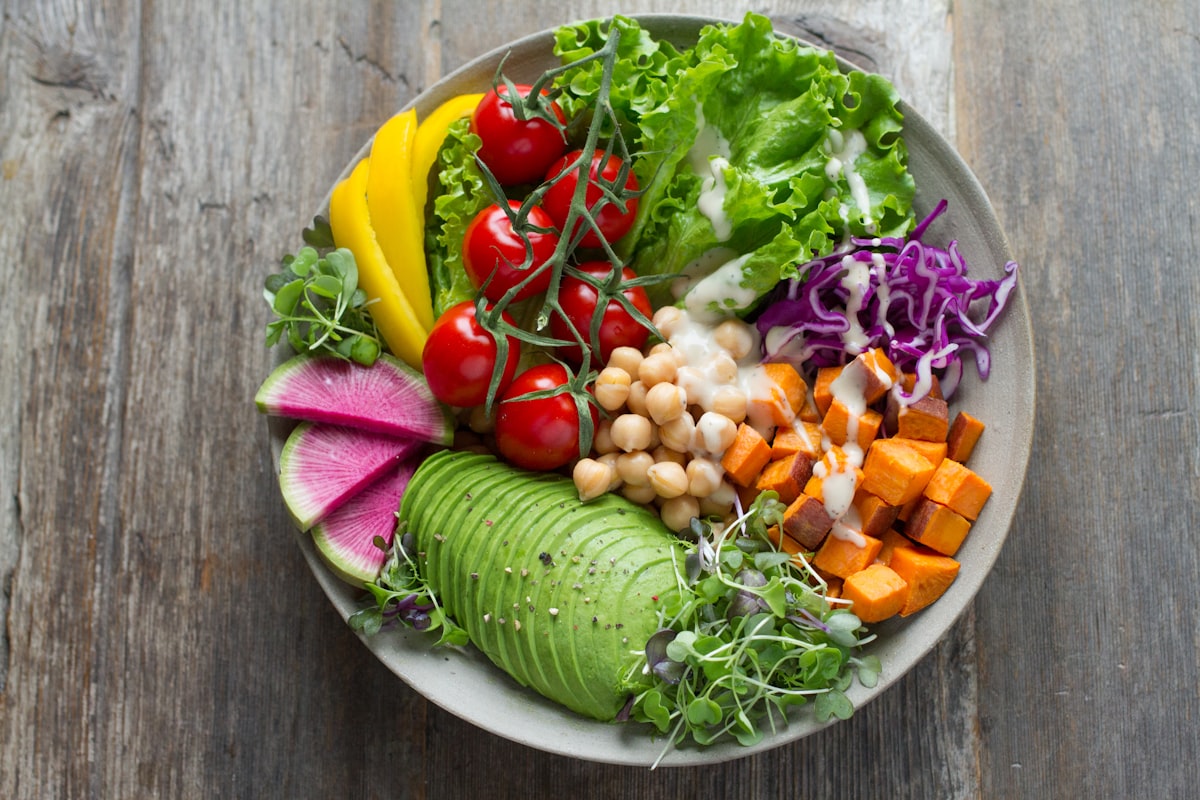
Natural remedies work better when you address the underlying factors that trigger or worsen psoriasis.
Anti-Inflammatory Diet:
Emphasize:
- Vegetables (especially leafy greens, cruciferous vegetables)
- Fruits (berries, citrus, apples)
- Whole grains
- Fatty fish (salmon, mackerel, sardines)
- Nuts and seeds
- Olive oil
- Herbs and spices (turmeric, ginger)
Avoid or limit:
- Processed foods
- Excess sugar and refined carbohydrates
- Red meat (high in arachidonic acid, which promotes inflammation)
- Alcohol (major trigger for many people)
- Trans fats
Gluten-Free Diet:
Some people with psoriasis have gluten sensitivity or celiac disease. If you suspect this, try eliminating gluten for 4-6 weeks and see if symptoms improve. Work with a dietitian to ensure nutritional adequacy.
Not everyone with psoriasis needs to avoid gluten—only those who are sensitive.
Weight Loss (If Overweight):
Obesity worsens psoriasis. Fat tissue produces inflammatory cytokines. Multiple studies show that weight loss improves psoriasis symptoms in overweight patients.
Even modest weight loss (5-10% of body weight) can make a difference.
Stress Management:
Stress is one of the biggest psoriasis triggers. The stress-psoriasis connection works both ways: stress triggers flares, and psoriasis causes stress.
Strategies:
- Meditation or mindfulness practice
- Yoga
- Deep breathing exercises
- Regular exercise
- Therapy or counseling
- Support groups
Find what works for you and make it a regular practice.
Avoid Skin Trauma:
Psoriasis has something called the Koebner phenomenon—new psoriasis lesions develop at sites of skin injury. This includes cuts, scrapes, bug bites, sunburn, tattoos, and even vigorous scratching.
Tips:
- Be gentle with your skin
- Avoid picking at scales
- Use an electric razor instead of a blade
- Wear protective clothing during activities that might cause skin injury
- Treat cuts and scrapes promptly
Moisturize Regularly:
Dry skin makes psoriasis worse. Use thick creams or ointments (not thin lotions) at least twice daily.
Best times to moisturize:
- Right after bathing (while skin is still damp)
- Before bed
Look for: Fragrance-free, hypoallergenic moisturizers. Ingredients like ceramides, hyaluronic acid, and petrolatum are particularly effective.
Avoid Harsh Soaps:
Use gentle, fragrance-free cleansers. Avoid antibacterial soaps and products with alcohol, which can dry and irritate skin.
Use a Humidifier:
Especially in dry climates or during winter. Keeps air moisture levels higher, which prevents skin from drying out.
Limit Alcohol:
Alcohol is a trigger for many people with psoriasis. It may interfere with the effectiveness of psoriasis treatments and can worsen inflammation.
Don't Smoke:
Smoking worsens psoriasis and reduces the effectiveness of treatments. If you smoke, quitting is one of the best things you can do for your psoriasis (and your overall health).
Moderate Sun Exposure:
UV light can improve psoriasis (that's why phototherapy works). Get 10-15 minutes of sun exposure daily if possible.
Caution: Don't get sunburned. Sunburn can trigger new psoriasis lesions. Use sunscreen on unaffected areas.
For more on anti-inflammatory eating, check our guide on anti-inflammatory diet for autoimmune conditions.
Trigger Identification: Know Your Personal Triggers
Psoriasis triggers vary from person to person. What sets off a flare for you might not affect someone else.
Common triggers:
- Stress (the big one)
- Infections (especially strep throat)
- Skin injuries (cuts, scrapes, sunburn)
- Certain medications (beta-blockers, lithium, antimalarials, NSAIDs)
- Cold, dry weather
- Alcohol
- Smoking
- Hormonal changes
Keep a symptom diary:
Track:
- What you eat
- Stress levels
- Weather conditions
- Any skin injuries
- Medications
- When flares occur
After a few weeks or months, patterns may emerge. You might notice that flares consistently follow stressful events, or that certain foods seem to trigger symptoms.
Once you identify triggers:
- Avoid them when possible
- Develop coping strategies for unavoidable triggers (like stress)
- Work with your dermatologist to adjust treatment during high-risk periods
Stress is often the biggest modifiable trigger. If you can get stress under control, you may see significant improvement in your psoriasis.
When to See a Dermatologist
Natural remedies are great for mild psoriasis and as complementary therapy. But some situations require medical evaluation and treatment.
See a dermatologist if:
- New diagnosis – You need proper evaluation and a treatment plan
- Severe psoriasis – Covering more than 10% of your body surface area
- Interfering with daily life – Affecting your work, sleep, or quality of life
- Joint pain – Could indicate psoriatic arthritis (30% of psoriasis patients develop this)
- Not responding to natural remedies or OTC treatments – You've tried for 2-3 months without improvement
- Sudden worsening – Rapid spread or new symptoms
- Infected plaques – Increased pain, warmth, redness, or pus
- Considering systemic treatments – Biologics, methotrexate, or other prescription medications
Don't try to tough it out. Moderate to severe psoriasis often requires prescription treatments. Delaying treatment can lead to worse outcomes and increased risk of complications like psoriatic arthritis.
Integrating Natural and Conventional Treatments
Here's the thing: natural remedies and conventional treatments aren't mutually exclusive. They can work together.
Many dermatologists are open to complementary approaches, especially when combined with proven medical treatments.
Conventional treatment options:
Topical:
- Corticosteroids (reduce inflammation)
- Vitamin D analogs (calcipotriene, calcitriol)
- Retinoids (tazarotene)
- Calcineurin inhibitors (tacrolimus, pimecrolimus)
Phototherapy:
- UVB light therapy
- PUVA (psoralen plus UVA)
Systemic medications:
- Methotrexate
- Cyclosporine
- Acitretin
Biologics:
- TNF-alpha inhibitors (Humira, Enbrel, Remicade)
- IL-17 inhibitors (Cosentyx, Taltz, Siliq)
- IL-23 inhibitors (Skyrizi, Tremfya, Ilumya)
A combined approach might look like:
- Prescription topical vitamin D analog for plaques
- Omega-3 supplementation (3-4g daily)
- Anti-inflammatory diet
- Stress management practices
- Regular moisturizing
- Dead Sea salt baths
- Curcumin supplementation
Talk to your dermatologist about which natural approaches might complement your prescribed treatment. Some combinations work synergistically.
Conclusion: Your Psoriasis Management Action Plan
Alright, let's bring this together.
Psoriasis is a chronic autoimmune condition. That's the reality. There's no cure, and natural remedies aren't going to make it disappear completely. But—and this is important—they can help you manage symptoms, reduce inflammation, and potentially decrease the frequency and severity of flares.
The natural approaches with the strongest evidence:
Omega-3 fatty acids – Multiple studies show benefit. Aim for 3-4g of combined EPA+DHA daily. Give it 8-12 weeks. This is probably the single most evidence-based natural supplement for psoriasis.
Vitamin D – Topical prescription forms (calcipotriene, calcitriol) are highly effective and should be discussed with your dermatologist. Oral supplementation may help if you're deficient—aim for 2,000-4,000 IU daily and get your levels checked.
Turmeric/curcumin – Shows promise, especially as adjunctive therapy. Take 1,000-2,000mg daily with piperine for absorption. Some people respond well, others don't see much benefit.
Aloe vera – Topical application of 0.5% extract cream or pure gel (99%+) 2-3 times daily. The research here is actually pretty impressive, with one study showing 83% clearance rate.
Beyond supplements:
Diet matters. Anti-inflammatory eating—lots of vegetables, fruits, fatty fish, whole grains. Avoid processed foods, excess sugar, and alcohol (major trigger). If you're overweight, weight loss can significantly improve symptoms.
Stress management is crucial. Stress is one of the biggest psoriasis triggers. Find what works for you—meditation, yoga, therapy, exercise, whatever helps you decompress. Make it a regular practice, not just something you do when you're already stressed out.
Moisturize religiously. Thick creams or ointments at least twice daily. Right after bathing and before bed. This isn't optional—dry skin makes everything worse.
Identify your triggers. Keep a symptom diary. Track what you eat, stress levels, weather, and when flares occur. Once you know your triggers, you can avoid them or prepare for them.
Work with a dermatologist. This is critical, especially if your psoriasis is moderate to severe. Natural remedies work best as complementary approaches alongside medical treatment. Don't try to go it alone if you need prescription medications.
Your action plan:
- Start omega-3 supplementation – 3-4g EPA+DHA daily
- Get your vitamin D levels checked – Supplement if deficient (2,000-4,000 IU daily)
- Implement stress management practices – Choose one technique and commit to it
- Clean up your diet – Focus on anti-inflammatory foods, eliminate obvious triggers
- Establish a skincare routine – Gentle cleansing, regular moisturizing
- See a dermatologist – Get a proper treatment plan, discuss complementary approaches
- Be patient – Natural remedies take time (8-12 weeks for most)
- Track your progress – Keep notes on what helps and what doesn't
Psoriasis is challenging. It affects your physical health, your mental health, your confidence. But you have more control than you might think. The combination of evidence-based natural approaches, lifestyle modifications, and medical treatment (when needed) can make a real difference.
You've got this.
For more on managing autoimmune conditions naturally, see our comprehensive guide on autoimmune disease natural treatment strategies. And if you're dealing with the emotional impact of psoriasis, our article on managing chronic illness mentally provides additional support.
Want to optimize your overall skin health? Check out our guide on natural approaches to healthy skin.